CBT Therapy Near Me — Find CBT Therapists
Find CBT therapists near you at Mindtalk. Cognitive Behavioural Therapy for anxiety, depression, OCD & phobias in Bangalore, Hyderabad & online India.
Our Professionals
Showing 15 professionals
Dr. Mohamed Imrankan H
Consultant Psychiatrist
9+ years experience

Ms. Sakshi Chadha
Consultant Clinical Psychologist
9+ years experience

Ms. Anuja Jain
Consultant Clinical Psychologist
3+ years experience
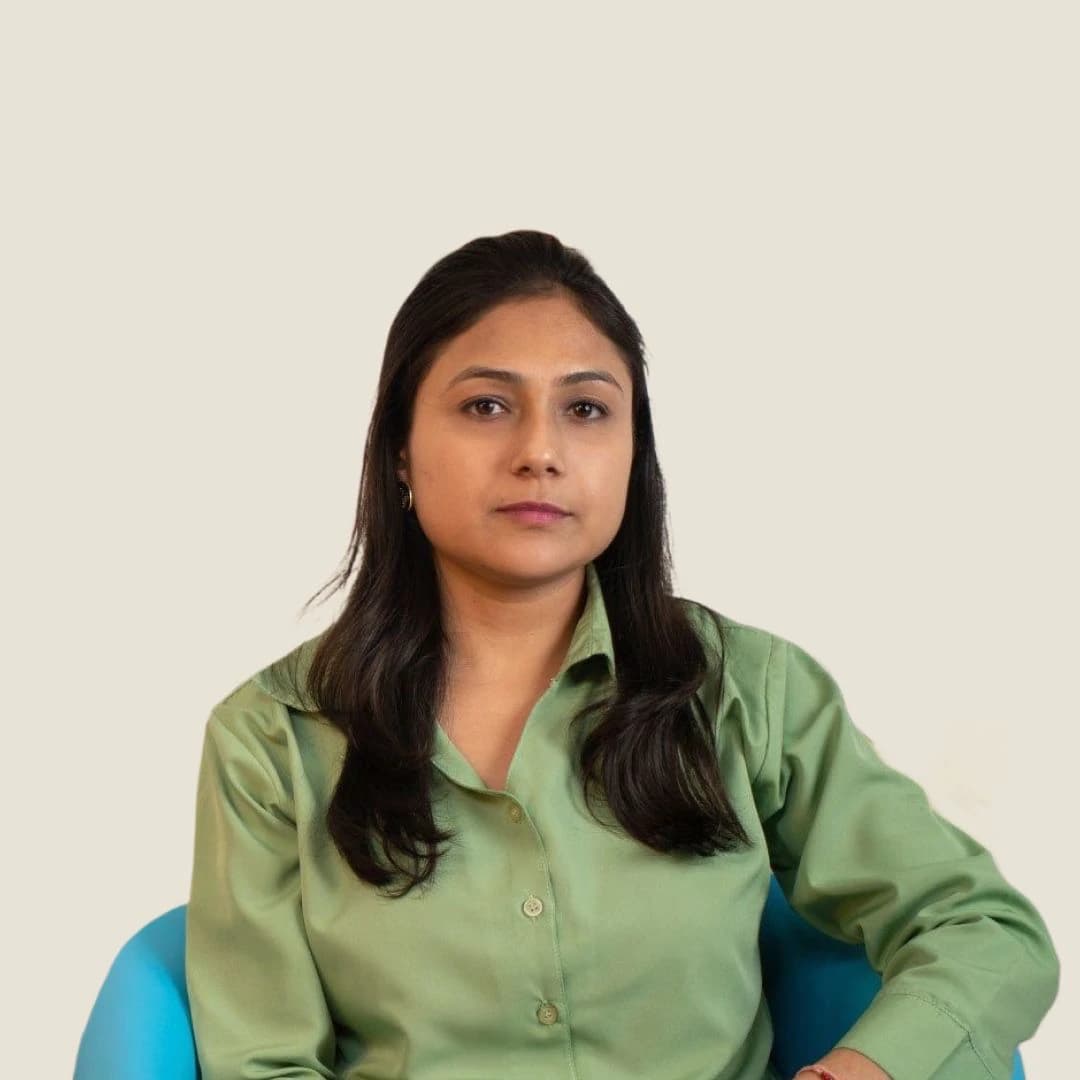
Ms. Srishti Agrawal
Consultant Clinical Psychologist
8+ years experience

Ms. Aparna Rani
Clinical-Psychologist
11+ years experience
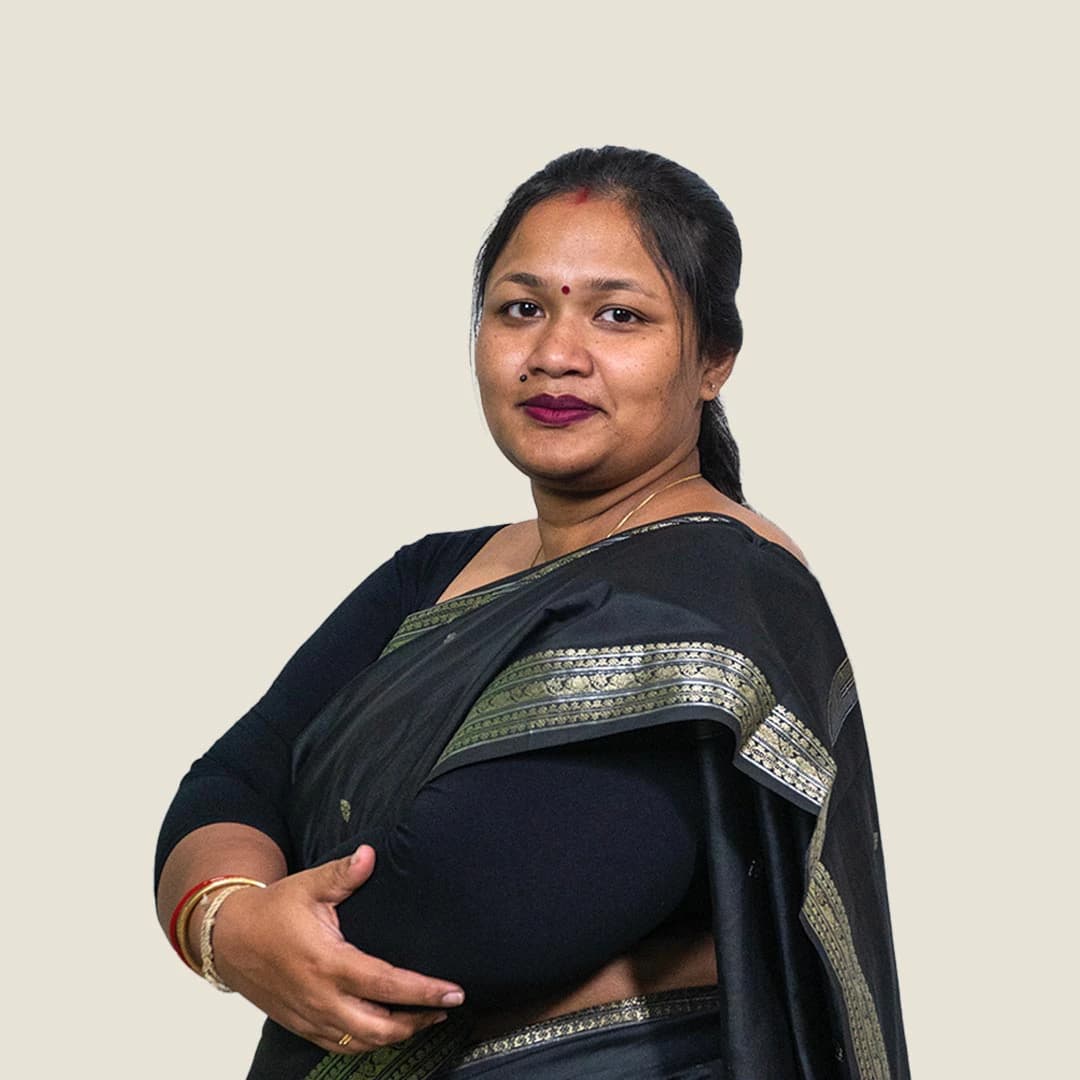
Ms. Smicky Priya Das
Consultant Clinical Psychologist
13+ years experience

Dr. Topoti Baruah
Consultant Clinical Psychologist
8+ years experience

Dr. Divya SK
Consultant Psychiatrist
8+ years experience

Ms. Jamuna A
Consultant Clinical Psychologist
3+ years experience

Ms. Priyanka Kema
Consultant Clinical Psychologist
6+ years experience

Ms. Sharanya N
Consultant Clinical Psychologist
5 months experience

Ms. Navyashri S
Consultant Clinical Psychologist
5+ years experience
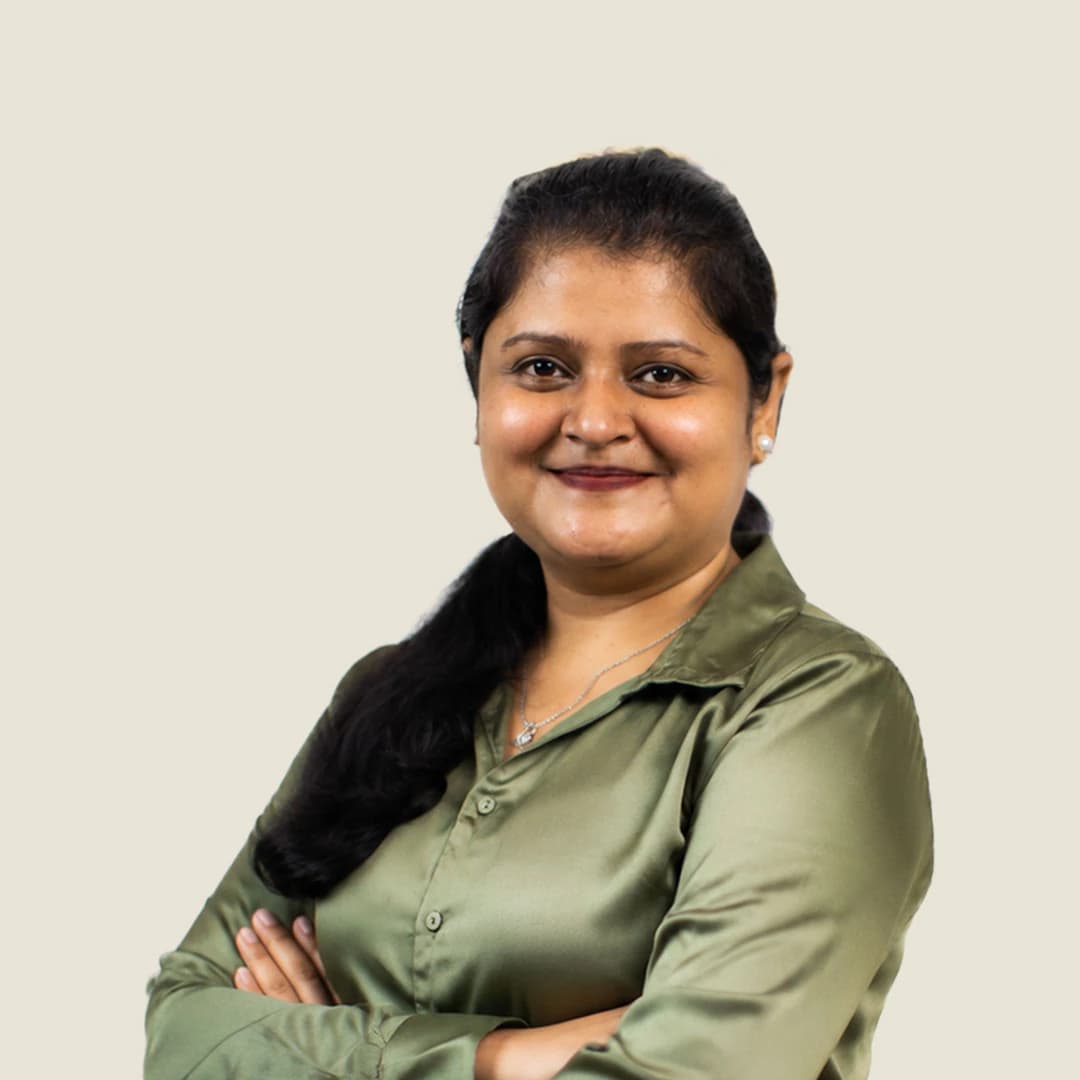
Ms. Sufia Nusrat
Senior Consultant Clinical Psychologist
13+ years experience

Dr. Shakeela Banu
Junior Consultant Psychiatrist
4+ years experience

Ms. Shweta Kiran Wani
Consultant Clinical Psychologist
3+ years experience
Mindtalk connects you with certified CBT therapists across Bangalore, Hyderabad and online throughout India. Cognitive Behavioural Therapy is one of the most rigorously researched psychological treatments available — with decades of clinical evidence supporting its use for anxiety, depression, OCD and a wide range of other conditions. Whether you are searching for in-person sessions in Bangalore or online CBT therapy anywhere in India, Mindtalk's qualified team is ready to help. Book a CBT session
What Is Cognitive Behavioural Therapy (CBT)?
Cognitive Behavioural Therapy is a structured, evidence-based form of psychotherapy that works by identifying and changing the unhelpful thought patterns, beliefs and behaviours that drive emotional distress. CBT operates on a core principle: our thoughts, feelings and behaviours are interconnected, and by learning to challenge distorted thinking, we can change how we feel and act. Unlike some forms of therapy that focus primarily on the past, CBT is present-focused and goal-oriented, typically delivered over 12 to 16 weekly sessions.
CBT was originally developed for depression and anxiety, and it remains the gold-standard treatment for both. Over the past four decades, clinical researchers have adapted CBT protocols for conditions ranging from phobias and panic disorder to OCD, PTSD and insomnia. The techniques learned during CBT — thought records, behavioural experiments, graded exposure — are practical skills that clients continue to use long after therapy ends.
At Mindtalk, our CBT therapists are trained clinicians registered with the Rehabilitation Council of India (RCI) or holding equivalent clinical qualifications. Every therapist follows structured CBT protocols while tailoring the pace and focus of therapy to each individual.
Conditions CBT Treats
CBT is recommended as a first-line treatment for a wide range of mental health conditions. Mindtalk's CBT practitioners have experience across the following:
Anxiety disorders — Generalised Anxiety Disorder (GAD), social anxiety, health anxiety and panic disorder all respond well to CBT. Therapy typically involves identifying anxiety-maintaining thought patterns and gradually testing fears through structured behavioural experiments.
Depression — CBT for depression targets negative core beliefs, reduces behavioural avoidance and rebuilds activity schedules that support mood recovery. Research consistently shows CBT produces durable gains comparable to antidepressant medication.
OCD — CBT combined with Exposure and Response Prevention (ERP) is the evidence-based treatment of choice for OCD. ERP involves controlled, gradual exposure to feared situations while resisting compulsive responses.
Phobias — Specific phobias such as fear of heights, driving or medical procedures respond well to structured CBT exposure hierarchies, often within 4 to 8 sessions.
PTSD — Trauma-focused CBT protocols (including Prolonged Exposure and Cognitive Processing Therapy) are used to process traumatic memories and reduce PTSD symptoms.
Insomnia — CBT-I (Cognitive Behavioural Therapy for Insomnia) addresses the thoughts and behaviours that perpetuate poor sleep and is recommended over sleeping medication for long-term management.
Eating disorders — CBT-E (Enhanced CBT for Eating Disorders) is the leading evidence-based intervention for bulimia nervosa and binge eating disorder.
Mindtalk's CBT Therapists — Where to Find Them
Mindtalk operates across multiple locations in India, making qualified CBT therapy accessible whether you prefer in-person sessions or online care. Our CBT therapists in Bangalore are based at centres in Indiranagar, Sarjapura, Kanakapura Road and Kalyan Nagar — all four locations offer in-person appointments. Our CBT therapists in Hyderabad offer online video sessions for patients across Hyderabad and Telangana. For patients anywhere else in India, online CBT sessions are available with our full team through the Mindtalk platform.
If you are unsure whether CBT is the right approach for your concern, our intake team can advise you on the most appropriate treatment. Many clients benefit from a combination of CBT therapy and psychiatric support — Mindtalk offers both under the same clinical umbrella. Learn more about CBT as a treatment or browse our guides on anxiety and OCD to understand how CBT is applied.
Contact us to get started — our intake coordinator will match you with a CBT therapist suited to your needs and location.
What Does a Typical CBT Session Look Like?
A standard CBT session follows a structured agenda, which is one of the features that distinguishes it from more open-ended forms of therapy. At the start of each session, the therapist and client agree on what to cover. The therapist reviews any between-session homework — such as thought-monitoring records or behavioural experiments completed during the week — and links the findings to the session's agenda items.
The bulk of the session is spent on skill development: identifying automatic negative thoughts, examining the evidence for and against those thoughts, and practising more balanced ways of thinking. The therapist may use guided discovery to help the client arrive at new perspectives rather than simply telling them how to think. Towards the end of each session, new homework is agreed — because CBT is a skills-based therapy, the work between sessions is as important as the sessions themselves.
A full course of CBT typically runs for 12 to 16 sessions for anxiety and depression. OCD may require 20 or more sessions when symptoms are more complex. Progress is tracked regularly, often using standardised measures like the PHQ-9 for depression or the GAD-7 for anxiety, so both client and therapist can see measurable improvement over time.
CBT vs Other Therapy Types: Which Is Right for You?
CBT is not the only effective form of therapy, and for some clients and conditions, other approaches may be equally or more appropriate. Here is a brief comparison to help you understand where CBT fits:
CBT vs DBT — Dialectical Behaviour Therapy (DBT) was developed from CBT specifically for emotional dysregulation and borderline personality disorder. If your primary difficulty is intense emotion swings, impulsivity or interpersonal crises, DBT's skills training modules may be a better starting point. Mindtalk offers DBT therapists near you as well.
CBT vs psychodynamic therapy — Psychodynamic therapy focuses on understanding the unconscious roots of current difficulties, often through exploration of early relationships. CBT is generally more suitable when you want practical, shorter-term skill development. Psychodynamic therapy may be more appropriate for longstanding personality patterns or difficulties that feel hard to articulate.
CBT vs EMDR — Eye Movement Desensitisation and Reprocessing (EMDR) is a trauma-focused treatment with strong evidence for PTSD. Some individuals prefer EMDR over trauma-focused CBT because it requires less explicit verbal processing of traumatic memories. Your Mindtalk therapist can advise on which approach is best suited to your trauma history and preferences.
Frequently Asked Questions
How do I find a CBT therapist near me in India?
Browse the CBT-trained professionals listed on this page. Each profile shows the therapist's qualifications, areas of expertise and available locations. Click "Book Session" to schedule directly, or call +91 73534 00999 and our intake coordinator will match you with a certified CBT therapist. Mindtalk has CBT practitioners in Bangalore (in-person and online) and Hyderabad (online), and we offer online CBT sessions nationwide.
How many CBT sessions will I need?
For most anxiety disorders and depression, a standard course of CBT is 12 to 16 weekly sessions. Specific phobias may be resolved in fewer sessions — sometimes 4 to 8. OCD with more entrenched compulsions typically requires 20 or more sessions with ERP practice built in. Your therapist will review progress regularly and adjust the course length based on your goals and response to treatment.
Can I do CBT online?
Yes — online CBT has a strong evidence base and is considered equally effective to in-person therapy for most conditions, including anxiety, depression and OCD. Mindtalk delivers CBT via secure video sessions for patients across India. Online sessions follow the same structured format as in-person CBT and include between-session homework just as in-clinic sessions do.
What is the cost of CBT therapy in India?
CBT therapy at Mindtalk starts from ₹1,500 per session for therapist-delivered CBT. Session fees vary depending on the professional's qualifications and experience. Call +91 73534 00999 or contact us for current pricing and to understand what to expect at your first appointment.
Is CBT effective for OCD?
CBT with Exposure and Response Prevention (ERP) is the gold-standard, evidence-based treatment for OCD and is recommended by the World Health Organization and clinical guidelines internationally. ERP involves systematic, graduated exposure to feared thoughts or situations while actively refraining from compulsive responses. Research shows that 60 to 80 percent of patients experience significant symptom reduction with a full course of ERP-based CBT.
How is CBT different from counselling?
CBT is a structured, skills-based, time-limited therapy with a defined set of techniques. Progress is measurable and tracked session by session. Counselling is typically more open-ended and exploratory, without a fixed structure or homework component. For conditions like anxiety, depression and OCD, where there is strong evidence for CBT's effectiveness, CBT is generally preferred. For life transitions, relationship difficulties or grief where you need a space to process and reflect, counselling may be more appropriate.
Why Choose Mindtalk?
Mindtalk is part of the Cadabams Group, India's leading private mental healthcare provider with over 30 years of clinical experience. Our CBT therapists are RCI-registered or equivalently qualified clinicians who receive ongoing clinical supervision. We offer in-person CBT at four centres across Bangalore and online sessions for the rest of India, so you can access quality CBT therapy wherever you are. Contact us today to find the right CBT therapist for you.