Mental Health Treatments: Warning Signs & When to Seek Help
Many mental health challenges can be navigated with self-care and support, but some signs call for professional help. Early recognition can prevent symptoms from escalating and pave the way for healing. Know when to seek expert guidance for a healthier mind.
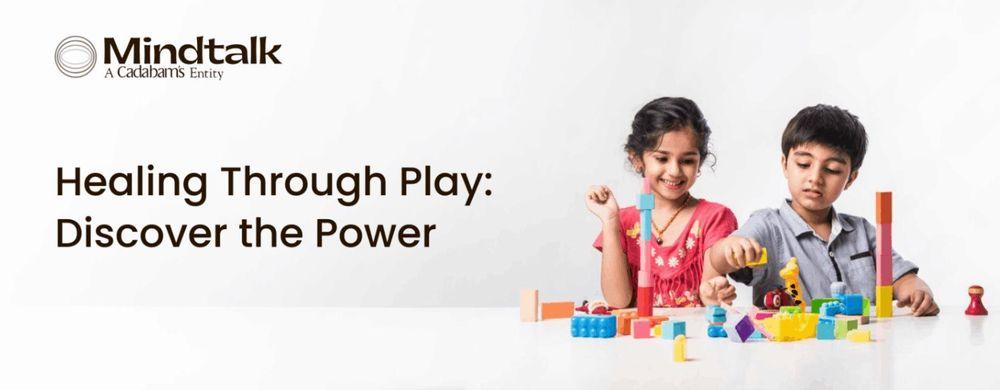
Play Therapy
Play Therapy is a specialized form of counseling designed for children to express themselves and resolve emotional, behavioral, and social difficulties through play. In this non-directive approach, trained therapists observe and engage children in play activities to understand their inner thoughts and feelings.
Acceptance And Commitment Therapy (ACT)
Acceptance and Commitment Therapy (ACT) is a modern psychotherapeutic approach that encourages individuals to accept their thoughts and feelings rather than attempting to avoid or control them.
Cognitive Behavioural Therapy (CBT)
CBT is a common form of therapy that has demonstrated its effectiveness in treating various mental health disorders, including depression, post-traumatic stress disorder (PTSD), and eating disorders. It can be utilized as a valuable tool either on its own or in conjunction with other therapeutic approaches.

Couples Therapy
Couples Therapy, also known as Marriage Counseling, is a specialized form of therapy designed to improve communication and resolve conflicts between partners. Through guided sessions, couples work together to address underlying issues and strengthen their relationship bonds.
Dialectical Behaviour Therapy (DBT)
Dialectical Behavior Therapy (DBT) is a transformative and evidence-based approach that combines elements of cognitive-behavioral therapy with mindfulness techniques. It empowers individuals to develop essential skills for managing emotions, coping with stress, and improving interpersonal relationships. DBT is particularly effective in treating conditions like borderline personality disorder, anxiety, depression, and substance abuse, making it a valuable resource for those seeking holistic mental health support.
Drug De-Addiction
Breaking free from the chains of drug addiction is a transformative journey towards reclaiming one's life and well-being. Our drug deaddiction program offers a compassionate and evidence-based approach, guiding individuals towards lasting recovery. With personaliSed treatment plans, therapeutic support, and a focus on addressing underlying issues, we empower individuals to embrace a healthier, drug-free future. Take the first step towards healing and rediscover hope and resilience on the path to a fulfilling life.
Eclectic Therapy
Eclectic therapy is a flexible and integrative approach to psychotherapy based on various therapeutic techniques and theories. Therapists tailor the treatment to meet the unique needs of each individual, combining elements from different modalities to create a personalised and effective healing process. By utilising diverse methods, such as cognitive-behavioral, humanistic, and psychodynamic approaches, Eclectic Therapy allows for a comprehensive and versatile treatment experience. This approach empowers therapists to address various mental health issues and support clients in their journey toward emotional well-being.
Emotionally Focused Therapy (EFT)
Emotionally Focused Therapy (EFT) offers a comprehensive approach that focuses on deep emotional engagement to facilitate healing and growth in relationships. This method, supported by solid research, helps individuals explore, understand, and manage their emotional processes more effectively. EFT therapy creates a supportive environment for clients to safely examine and address unresolved emotional issues, promoting healthier emotional interactions and enhancing relationship dynamics. Learn about the benefits of EFT therapy and how this therapeutic approach can help you manage emotional challenges and strengthen your relationships.
Exposure and Response Prevention Therapy (ERP)
Exposure and Response Prevention Therapy (ERP) is a powerful psychological treatment used to address anxiety disorders, particularly Obsessive-Compulsive Disorder (OCD). Through gradual, controlled exposure to fear triggers combined with response prevention, individuals confront their fears in a safe, structured environment.

EMDR Therapy
Our EMDR Treatment page offers comprehensive and evidence-based therapy for trauma and distressing experiences. Eye Movement Desensitization and Reprocessing (EMDR) helps individuals process traumatic memories and alleviate their emotional impact. Our skilled therapists utilize bilateral stimulation techniques to guide clients through the reprocessing of distressing events, leading to resolution and healing. Experience transformative results with EMDR, promoting emotional well-being and fostering a renewed sense of empowerment.
Family Therapy
Family Therapy is a therapeutic approach that focuses on improving communication and resolving conflicts within a family unit. Through collaborative sessions, family members work together to address issues and strengthen their relationships. This form of therapy explores the family's dynamics and how each member's behavior impacts others, aiming to create a more supportive and cohesive environment.
Life Coach Therapy
Life Coach Therapy is a dynamic and goal-oriented approach to personal development and empowerment. With the guidance of a trained life coach, individuals can gain clarity on their goals, identify obstacles, and develop actionable plans to achieve success in various aspects of life.

Narrative Therapy
Narrative Therapy is a client-centred approach that focuses on reshaping the narratives individuals have about their lives and experiences. Therapists collaborate with clients to explore and re-author the stories they tell themselves, emphasising strengths and resilience. By externalising problems, this therapy encourages individuals to see themselves as separate from their challenges, empowering them to redefine their identities and relationships.
Positive Psychology
Positive Psychology is a branch of psychology that focuses on understanding and enhancing human well-being and happiness. It emphasizes the study of positive emotions, strengths, and virtues that contribute to a fulfilling life. Positive Psychology is a branch of psychology that focuses on understanding and enhancing human well-being and happiness. It emphasises the study of positive emotions, strengths, and virtues that contribute to a fulfilling life.
Psychotherapy
Psychotherapy, also known as talk therapy, is a structured approach to improving an individual’s emotional well-being and mental health. It involves working with a trained therapist to understand feelings, develop coping strategies, and address mental health challenges like anxiety, depression, and trauma. Through evidence-based psychotherapy techniques, individuals can experience healing, personal growth, and improved mental wellness.

Music Therapy
Music Therapy is a therapeutic approach that harnesses the power of music to address emotional, cognitive, and physical challenges. Trained music therapists use music-based interventions to improve clients' mental and emotional well-being, communication skills, and overall quality of life.
Rational Emotive Behavior Therapy (REBT)
Rational Emotive Behavior Therapy (REBT), a form of cognitive behavioral therapy (CBT) is a therapeutic approach geared towards empowering individuals to confront their irrational beliefs head-on and acquire the necessary skills to effectively manage their emotions, thoughts, and behaviors. Unquestionably, when individuals harbor irrational beliefs about themselves or the world around them, it can lead to a plethora of difficulties.
Art Therapy
Art Therapy is a creative and expressive form of psychotherapy that utilizes various art materials to help individuals explore and communicate their emotions, thoughts, and experiences. Trained art therapists guide clients through artistic processes, enabling them to gain insights into their subconscious and promote self-discovery. Through the act of creating art, clients can release stress, process trauma, and foster personal growth. Art Therapy offers a unique and powerful way to tap into the healing potential of creativity, encouraging emotional well-being and empowerment.
Talk Therapy
When times are difficult, having access to help is crucial. Talk therapy offers a safe place to discuss worries, health issues, relationship difficulties, or trauma. It aids in understanding and managing mental health conditions like anxiety and depression.
Biofeedback Therapy
Biofeedback therapy is a hands-off method that instructs individuals on how to regulate heart rate, muscle tension, and even breathing. It has found significant applications in mental health for aiding anxiety, stress, and chronic pain management. Biofeedback therapy improves self-regulation by enabling people to manage their emotions better with the help of sensors that provide real-time feedback.
Mindfulness Therapy
Mindfulness therapy is a simple yet powerful way to transform your mental well-being. By practising mindfulness, you can improve your emotional balance, reduce stress, and enhance your overall mental health. This blog will help you understand mindfulness, the science behind it, and how to start practising it today.
rTMS Therapy
Repetitive Transcranial Magnetic Stimulation (rTMS) therapy is transforming how we treat mental health. With precision and non-invasive technology, rTMS offers a renewed path to healing—especially when conventional treatments fall short.
Meditation Therapy
Meditation therapy is a mind-body practice that promotes mental clarity and emotional balance. By calming the mind and focusing attention, it supports stress reduction, improves relaxation, and enhances overall well-being. Regular practice helps manage anxiety, boosts focus, and contributes to both mental and physical health.
Group Therapy
Group therapy is a form of psychotherapy where individuals with similar challenges come together under professional guidance. It encourages open discussion, shared experiences, and emotional support.
Transcranial Direct Current Stimulation (tDCS) Therapy
In recent years, brain stimulation therapies have gained significant attention as a tool to manage mental health disorders. tDCS is a non-invasive brain stimulation technique that uses low electrical currents to modulate brain activity, improving mood, cognition, and mental health. It's used to treat conditions like depression, anxiety, and cognitive impairments. But how exactly does tDCS work, and who can benefit from this treatment? Let's explore.