Stress Disorder: Get Quality Care To Manage Stress Effectively
Stress is a natural response to a fight-or-flight situation. It allows us to react to a threatening situation with reason and calm. But when the stressful encounter ends, and you remain in an alarmed state, you may be experiencing symptoms of Stress Disorder. As such, treatments that address the source of the stress have had the most success in alleviating [Stress Disorders](https://www.mindtalk.in/illnesses/stress-disorder).
Clinically reviewed by Dr. Abhimanyu Chandak, MD in Psychiatry, MBBS.
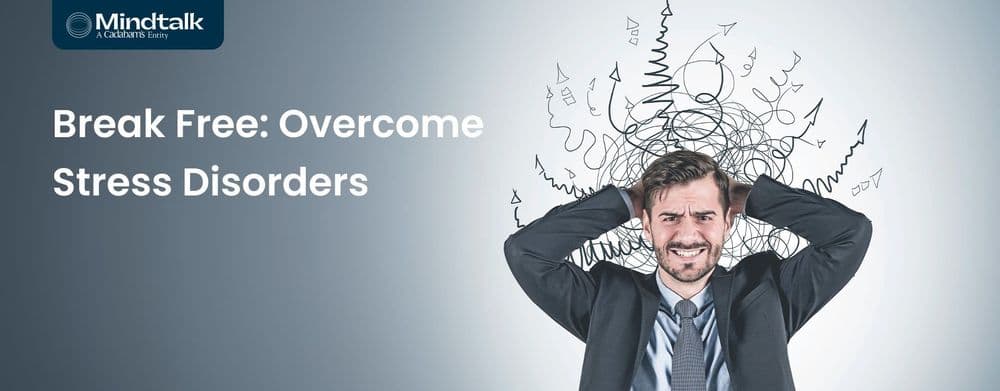
What Is Stress Disorder?
Imagine you blow up a balloon. Squeeze lightly and then let go of it, which returns it to its original shape. That is how our body acts under stress. Stress is an action by the body that is due to real or apparent threats or challenging situations. Like the bolt of energy that prepares the body to fight off or flee the problem altogether, this response is associated with the release of hormones and chemicals that one utilises to cope.
Just like the balloon would give a gentle squeeze, our bodies can take some stress. However, extreme or prolonged tension creates problems. It is just like squeezing the balloon too hard or too often.
Stress disorders arise when a person's capacity to respond to a situation of stress is overwhelmed or dysfunctional. It's simply like that that-popping balloon under too much pressure. The symptoms may include anxiety, depression, and some physical problems. Effective stress management goes hand in hand with taking control over oneself. They need to have a very good identification of stressors, strategies for coping, and professional help in such situations. We should not keep pushing and squeezing that balloon until it bursts as we are doing with our bodies, just as we wouldn't let it burst with our hand pushing it that hard.
While it’s now widely understood that excessive stress can harm our well-being, stress has been essential to human survival since the time of our early ancestors, and it remains so today. Stress can be beneficial when it reduces anxiety in tense situations, motivates you to meet deadlines, or acts as a warning system to help prevent accidents.
Symptoms Of Stress
When stress becomes problematic, it deviates from the normal biological process and leads to illness.
Prolonged stress keeps the body in a constant state of readiness for physical action, preventing the reestablishment of equilibrium and weakening the immune system, which can make individuals more susceptible to sickness and increases the risk of various health problems, including memory impairment, fatigue, depression, skin conditions like eczema, sleep difficulties, obesity, heart disease, digestive problems, decreased sex drive, and autoimmune diseases.
Stress can also manifest in specific ways, such as stress headaches (tension headaches), which are characterised by mild to moderate dull head pain, band-like pressure around the forehead, and tenderness of the scalp and forehead.
Additionally, stress can contribute to stomach ulcers, where the physical stress and pain from the ulcer can lead to emotional stress.
Stress eating is another common response, where individuals may overeat or without hunger as a coping mechanism, often choosing unhealthy foods and leading to weight gain and associated health problems.
Work-related stress can be a significant source of stress, whether occasional or chronic. It can stem from a lack of control or power, dissatisfaction with the job without alternatives, conflicts with coworkers, excessive work demands, or being in dangerous professions where one's life or the lives of others are at stake.
Finding work-life balance, pursuing career changes, or taking steps to improve control and satisfaction in the workplace are important for managing work-related stress and maintaining mental health.
Stress and anxiety often go hand in hand, with stress being the result of external demands and anxiety characterised by high levels of worry, unease, or fear. Anxiety can arise as a consequence of episodic or chronic stress.
Having both stress and anxiety can significantly impact health and increase the likelihood of developing conditions such as high blood pressure, heart disease, diabetes, panic disorder, and depression. However, there are effective treatments and strategies available to address and manage stress and anxiety.
Causes Of Stress
Stress is a natural biological response that occurs when faced with a potentially dangerous situation. When stress occurs suddenly, the brain releases chemicals and hormones like adrenaline and cortisol, leading to increased heart rate, heightened awareness, and redirected blood flow to vital organs and muscles.
While adrenaline plays a role in stress, cortisol is the primary stress hormone. It serves various functions, such as increasing glucose levels in the bloodstream, optimising glucose utilisation in the brain, facilitating tissue repair, prioritising essential functions during life-threatening situations, influencing the immune system response, and affecting brain regions involved in fear, motivation, and mood regulation. This stress response is a normal and crucial process for human survival.
Before proceeding, it's important to discuss some common stressors individuals may encounter. These include
-
Experiencing natural or manmade disasters
-
Living with chronic illness
-
Surviving life-threatening accidents or illnesses
-
Being the victim of a crime
It can also stem from facing familial stressors such as
-
Abusive relationships
-
Unhappy marriages
-
Divorce proceedings
-
Child custody issues
-
Caregiving for chronically ill loved ones
-
Living in poverty or homelessness
-
Working in dangerous professions
-
Having a poor work-life balance
-
Working long hours or being unhappy with one's job
-
Military deployment
We’ve left out one additional type of event- happy events. Sometimes, expecting to be happy is attached to an event like a wedding or having a baby. Such events bring changes, and you may have new or strange demands; hence, they are very stressful to handle. Sometimes, this comes hand in hand with the pressure to conform to happiness.
In the meantime, if cortisol levels remain elevated for prolonged periods, it can have negative effects on health. Long-term high cortisol levels may contribute to weight gain, high blood pressure, sleep disturbances, lack of energy, type 2 diabetes, osteoporosis, mental fog, memory problems, a weakened immune system, and increased vulnerability to infections.
Furthermore, chronic stress can impact mood and lead to feelings of being overwhelmed, irritable, or fearful. It may also contribute to substance use as individuals seek relaxation, although such substances often increase stress in the long run, mainly when addiction or dependence develops.
Ideally, after the fight-or-flight response, the body should enter a relaxation response through the parasympathetic nervous system, allowing it to return to equilibrium. This response brings heart rate and blood pressure back to normal levels and enables activities like digestion and sleep to resume at their regular pace.
Types of Stress Disorders
-
Acute Stress: Acute stress is the immediate response of the body to a new and challenging situation. It can occur in situations like narrowly escaping a car accident or experiencing thrilling activities like riding a roller coaster or skiing down a steep slope. Generally, acute stress is not harmful and may even have benefits. It allows your body and brain to develop effective responses to future stressful situations. Once the danger passes, your body systems should return to normal.
-
Severe Acute Stress: Severe acute stress arises from life-threatening situations. When faced with such stress, individuals may develop post-traumatic stress disorder (PTSD) or other mental health problems.
-
Episodic Acute Stress: Episodic acute stress occurs when individuals frequently experience acute stress episodes. It may arise from chronic anxiety, constant worry about anticipated events, or leading a chaotic life with one crisis after another. Professionals such as law enforcement or firefighters, who frequently encounter high-stress situations, can also contribute to episodic acute stress. Like severe acute stress, episodic acute stress can negatively impact physical health and mental well-being.
-
Chronic Stress: Chronic stress refers to prolonged periods of high stress levels. Long-term exposure to stress can have adverse effects on health, including high blood pressure and a weakened immune system. Chronic stress may lead to frequent ailments like headaches, upset stomachs, and sleep difficulties.
It's important to note that stress disorder occurs when individuals have difficulty coping with or adjusting to recent stressors. These stressors can be witnessed firsthand, personally experienced, or experienced by close family members, which increases physical or psychological demands.
While many people encounter similar stressors throughout their lives, only a small percentage of individuals experience significant maladjustment to the event, warranting psychological intervention.
Causes and Risk Factors for Stress-Induced Disorders
Stress-induced disorders often emerge from a mix of biological, psychological, and environmental triggers. Chronic stress, whether from work pressure, family conflict, or financial issues, can alter brain chemistry and lead to disorders induced by stress.
Traumatic experiences, especially in childhood, significantly increase the risk. Genetics also play a role, making some individuals more prone to developing stress disorders.
Additional risk factors include:
- A history of anxiety or depression
- Lack of a support system
- Ongoing exposure to high-stress environments
Understanding these causes helps in early identification and prevention of stress disorder symptoms and related mental health challenges.
Building Emotional Resilience: The Role of Cortisol and EMDR Therapy
Stress disorders can take a toll on both the mind and body, and a holistic recovery approach addresses this full spectrum of impact. Chronic stress leads to elevated cortisol levels, often called the "stress hormone", which can disrupt sleep, weaken immunity, and affect emotional balance. Understanding this physiological link is essential to building emotional resilience.
One effective treatment for trauma-related conditions like PTSD is EMDR therapy (Eye Movement Desensitisation and Reprocessing). It helps reprocess traumatic memories, reducing their emotional charge and supporting long-term stress recovery.
To build emotional resilience:
- Practice mindfulness and regular physical activity
- Develop strong social connections
- Get enough restorative sleep
- Seek therapy when needed
Therapies like CBT and EMDR, combined with lifestyle shifts, improve the body’s response to stress. By regulating cortisol and strengthening coping capacity, emotional resilience can protect against disorders induced by stress and support overall mental health.
Effective Coping Mechanisms for Stress Disorders
Coping mechanisms for stress disorders aim to reduce symptoms, improve daily functioning, and promote long-term resilience.
Here are some effective strategies for stress disorders:
-
Cognitive Behavioural Therapy (CBT): Helps identify and reframe negative thought patterns that contribute to stress and anxiety.
-
EMDR therapy: Processes trauma memories to reduce emotional intensity and promote mental healing.
-
Relaxation techniques: Practices like deep breathing and muscle relaxation calm the nervous system and reduce stress symptoms.
-
Physical activity: Regular exercise lowers cortisol levels, boosts mood, and enhances overall emotional resilience.
-
Healthy sleep routines: Consistent sleep supports brain recovery, hormone balance, and emotional stability.
-
Support groups: Provide a safe space for shared experiences, emotional relief, and community-based encouragement.
Combining therapy for stress with these lifestyle changes enhances emotional balance. These stress recovery strategies support better outcomes and help manage different types of stress disorders.
Understanding the Link Between Trauma and Stress Disorders
Trauma is a major contributor to stress disorders like PTSD and acute stress disorder (ASD). A traumatic stress response can be triggered by life-threatening events, abuse, or witnessing violence. Such experiences overwhelm the brain’s ability to process emotions, leading to long-lasting post-traumatic symptoms.
Early interventions, such as trauma counselling or EMDR, can prevent these reactions from evolving into chronic stress disorders. Understanding this link is key to timely support and managing the deep-rooted impact of trauma on mental health.
Diagnosis and Assessment of Stress Disorders
Stress diagnosis involves a thorough clinical evaluation by a mental health professional. Key criteria include symptom duration, severity, and the impact on daily life. Diagnostic guidelines like the DSM-5 or ICD-11 are used to identify specific stress disorders such as PTSD, ASD, or generalised anxiety disorder.
Common assessment tools include:
- Structured clinical interviews
- Self-report questionnaires
- Symptom checklists
Professionals assess physiological signs (like elevated cortisol) and emotional responses to triggers. Accurate diagnosis allows for timely and targeted treatment, especially when individuals seek help early for their mental health concerns related to stress.
Acute Stress:
- Initial Response:
Fight-or-flight reaction
Cortisol and adrenaline release
Short-term stress
- Duration:
Short-lived
Quick recovery to baseline
- Example:
Job interview or urgent deadline
Chronic Stress:
- Ongoing Response:
Prolonged activation of stress response systems
Sustained high cortisol levels
Increased health risks
- Duration:
Long-term
Body doesn’t return to baseline
- Example:
Long-term work stress or chronic caregiving responsibilities
Physical Symptoms:
- Fatigue – Persistent tiredness even after rest.
- Headaches – Frequent tension or migraines.
- Sleep Issues – Difficulty falling or staying asleep.
- Upset Stomach – Indigestion, nausea, or other digestive problems.
- Muscle Tension – Tightness or pain in muscles, especially neck or shoulders.
Emotional Symptoms:
- Irritability – Feeling easily angered or frustrated.
- Anxiety – Constant worry or fear.
- Mood Swings – Unpredictable emotional changes.
- Feeling Overwhelmed – Difficulty managing daily tasks.
- Sadness or Depression – Persistent feelings of hopelessness or sadness.
Behavioural Symptoms:
- Social Withdrawal – Avoiding social situations or isolating oneself.
- Changes in Appetite – Overeating or lack of interest in food.
- Restlessness – Inability to relax or stay still.
- Avoidance Behaviours – Putting off important tasks or responsibilities.
Diagnosis And Treatment
This is fairly crucial to assess accurately because how stressed you feel in different situations may depend on factors like:
-
Stress is a subjective experience that can't be directly measured through tests; only the person experiencing it truly understands its impact. However, questionnaires allow healthcare professionals to gain insight into your stress triggers and how they influence your everyday life.
-
Accurately assessing stress is crucial because your responses in different situations may vary based on factors like:
-
How at ease or uneasy you feel in certain environments
-
Other ongoing experiences or challenges in your life
-
The influence of your past, especially aspects shaping your current identity
-
The time and resources you have at hand
-
The level of support you receive from others
These factors allow a professional to deliver a prognosis after gauging details like the cause, intensity and duration of stress. It may also be affected by an individual’s available coping skills and social support systems. When stress is high and available coping skills are low, the effects of stress are more likely, which can shorten someone’s lifespan.
There are no specific treatments for stress. However, there are treatments for some of the signs and symptoms of stress.
In the initial stages, after a physician may have run some tests to see how they can help manage the symptoms, they may suggest some options to help you manage your stress, such as well-being and relaxation tips. They might be able to refer you to social prescribing if it is available in your area.
Social prescribing is a form of community-based treatment that helps you deal with social issues affecting your health. For example, this might include support for loneliness, money problems or physical activity. It can also help you find activities that improve your well-being, such as arts and gardening classes or volunteering opportunities.
If the symptoms persist, you may be given some Medication:
**Your doctor might offer to prescribe:
-
Sleeping tablets or minor tranquillisers if you have a condition like insomnia
-
Medications like antidepressants if you are experiencing symptoms of depression or anxiety coupled with stress.
-
Medicines for the management of stress-induced physical symptoms like IBS or hypertension.
It's essential to gather all the necessary information to make an informed decision before choosing to take any medication.
Talking Therapy
Speaking to a trained person might assist you in finding how you can manage stress and it may also assist you in learning your own thoughts and feelings better.
You may also find talking therapies useful if stress has resulted in other mental illnesses.
The various types of talking therapy don’t necessarily reduce your symptoms all the time; therefore, it is important to explore all the types and choose the one that aligns with your symptoms.
Complementary And Alternative Therapies
You may find certain complementary and alternative therapies helpful in treating signs and symptoms of stress. This may include:
-
Acupuncture
-
Aromatherapy
-
Some herbal remedies (used cautiously and only alongside medical advice)
-
Hypnotherapy
-
Massage
-
Tai Chi
-
Yoga and meditation
Stress treatment can provide tremendous coping skills and support to a person in a stressful environment. The best success will occur when treatment targets the source of stress directly rather than its side effects.
Coping With Stress Disorders
Taking care of your well-being is essential for effectively managing stress. Different strategies work for other people, so here are some ideas you could try:
-
Be kind to yourself: Learning to treat yourself with kindness can have a positive impact on how you feel in various situations. Take breaks throughout your day to engage in activities you enjoy, and acknowledge and reward yourself for even small achievements.
-
Make time to relax: Even if you can't change the stressful situation you're facing, allowing yourself short breaks can significantly improve your well-being. Find moments to relax and unwind, which can help reduce the negative impact of stress.
-
Cultivate interests and hobbies: Spending time on activities you enjoy can serve as a distraction from stressful situations. If stress is making you feel lonely or isolated, consider pursuing shared hobbies that can also provide an opportunity to meet new people.
-
Connect with nature: Spending time in nature has been shown to reduce stress and enhance overall well-being. Whether it's going for a walk in a green space, tending to indoor plants, or interacting with animals, incorporating nature into your life can have a calming effect.
-
Prioritise physical health: Taking care of your physical health can make managing stress easier. Ensure you get enough sleep, exercise regularly, and maintain a balanced diet. Even small changes in these areas can have a significant positive impact on stress management.
-
Build a support network: Research indicates that strong support networks can increase resilience and make stress more manageable. Seek support from trusted friends, family members, and colleagues. Sharing your feelings and experiences can make stressful situations feel more manageable. This support network may include:
-
Friends and family: Sharing your feelings with those close to you can make a significant difference, as they may provide support or assistance with the stressors you're facing.
-
Support at work: Seek support from your manager, human resources department, union representatives, or employee assistance programs. Responsible employers should prioritise employee well-being.
-
Peer support: Join peer support groups or online communities to connect with others who have similar experiences or feelings.
-
Identify triggers: Understanding what triggers your stress can help you prepare and cope with it effectively. While it may not always be possible to avoid these situations, being aware of your triggers can assist in developing appropriate coping strategies.
-
Organise your time: Feeling overwhelmed by multiple responsibilities can contribute to stress. Consider reorganising your time to regain a sense of control. Some strategies include:
-
Identify your most productive times and tackle essential tasks during those periods.
-
Creating a to-do list and prioritising tasks based on their urgency.
-
Setting smaller, achievable goals to avoid feeling overwhelmed.
-
Balancing challenging tasks with more enjoyable or calming activities.
-
Avoid taking on too much at once, and be transparent with others about your limits.
-
Taking breaks and approaching tasks at a manageable pace.
-
Asking for help from friends or family members to lighten your load.
It's important to note that the goal of stress management isn't to eliminate stress entirely, as stress can be a healthy response in certain situations. Instead, the aim is to develop effective coping mechanisms and support systems to manage stress and promote overall well-being.
Why Mindtalk ?
Mindtalk, a trusted mental health provider from the Cadabams family, leads the way in delivering advanced therapeutic experiences. Dedicated to holistic mental wellness, Mindtalk blends conventional and contemporary therapeutic methods to provide tailored mental health solutions. Their team of skilled professionals covers diverse mental health needs, offering everything from counselling and therapy to specialised treatments, ensuring compassionate, accessible support for everyone.
Self-Help Tools for This Condition
Evidence-based assessments, structured journeys, worksheets, and guided audios curated for this condition. All free in the Mindtalk app — designed by Cadabams’ clinical team.
Assessments
Journeys
Worksheets
Related Conditions
Learn about other mental health conditions and find the support you need.

Addiction
Addiction is a complex phenomenon that has considerable physical, psychological and social effects on the individual. It is characterised by compulsive behaviour or substance use despite harmful consequences. There are various forms of addiction, ranging from substance abuse to behavioural addictions. The causes of addiction are influenced by numerous factors, including genetics, environment and mental illness. The impact on daily life, relationships, and overall well-being is severe, which is why early intervention and addiction treatment are essential.
Alcohol Addiction
Alcohol addiction is more than just drinking too much—it’s a chronic condition that rewires the brain, making quitting incredibly difficult without support. However, recovery is possible with the right treatment and guidance. Alcohol addiction, or alcohol use disorder (AUD), is a chronic disease defined by the compulsive use of alcohol in spite of its detrimental effects. It not only affects individuals but also their families. It is essential to understand alcohol addiction because it is a condition that can be treated, and the sooner it is addressed, the better the chances of successful recovery. Getting help is the first step toward a healthier, alcohol-free lifestyle.
Alzheimer’s
Alzheimer's disease is a progressive neurological disorder that majorly affects memory, thinking and behaviour. It is the most common cause of dementia and gradually impairs cognitive function until those affected are no longer able to carry out everyday activities. Understanding what is Alzheimer's disease can help individuals and families recognise early signs and prepare for long-term care needs. As the disease progresses, the changes in the brain lead to a deterioration in thinking, speech and physical coordination. Knowledge of the symptoms, stages and treatment options for Alzheimer's disease is essential for effective management of the disease. With timely Alzheimer's disease treatment, patients may be able to maintain function longer and delay progression.
Anxiety
Anxiety is about nervousness and apprehension that occurs when you think about or are about to engage in something you find stressful. Anxiety is a normal reaction to the anticipation of embarrassment or threat. It becomes a disorder when it starts to inhibit you from being able to enjoy life.
ADHD
ADHD (Attention-Deficit /Hyperactivity Disorder) is a neurodevelopmental condition that affects both children and adults. It influences attention, impulse control, and activity levels, making daily tasks more challenging. Understanding its causes, symptoms, and ADHD treatment options is essential for effective management.
Autism Spectrum Disorder
Imagine a world where sounds feel too loud, lights are too bright, and conversations are like unsolved puzzles. For many individuals with Autism Spectrum Disorder, this is an everyday reality. Recognising early signs of autism spectrum disorder symptoms can be life-changing. Autism Spectrum Disorder, or ASD, shapes how individuals experience life. While some thrive with unique strengths, others need structured support. Early diagnosis, spectrum disorder treatment and therapy can transform challenges into opportunities for growth.
Find a Specialist for This Condition
Medical Disclaimer: This content is for informational purposes only and is not a substitute for professional medical advice, diagnosis, or treatment. Always seek the advice of your physician or a qualified mental health professional with any questions you may have regarding a medical condition. If you are experiencing a mental health emergency, please call your local emergency services or contact a crisis helpline immediately.
Content reviewed by the Mindtalk Clinical Team, part of the Cadabams Group — India's largest private mental healthcare provider since 1992.