Gender Dysphoria
Gender dysphoria is the state of mental distress or discomfort a person undergoes when their personal identification of gender does not match with the sex assigned to them at birth. Daily activities and emotional health may be impacted. However, proper assessment and care can help provide appropriate gender-affirming support and gender dysphoria treatment.
Clinically reviewed by Ms. Sufia Nusrat, MPhil Clinical Psychology.
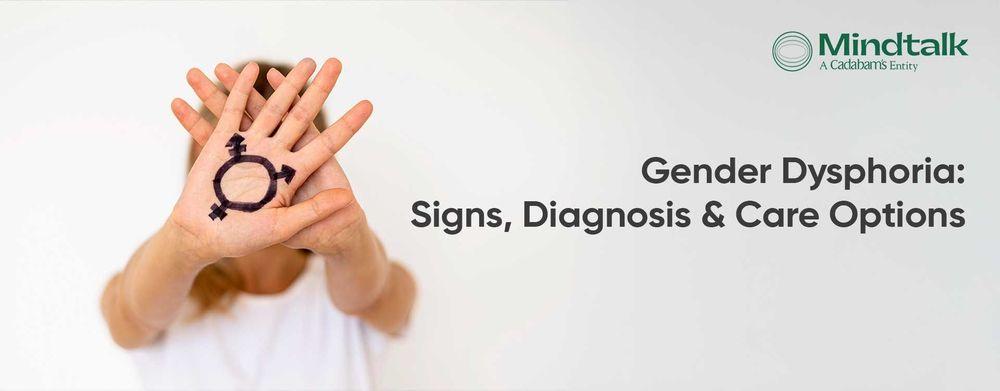
What is Gender Identity Disorder or Gender Dysphoria?
Gender dysphoria is an American Psychological Association (APA) recognised psychological disorder involving a clinically significant distress of one’s person’s gender identity and assigned sex at birth.
Formerly referred to as Gender Identity Disorder, The DSM-5 and ICD-11 diagnostic manuals changed the name to Gender Dysphoria to focus on the affirmative care aspects rather than pathological healing.
Understanding what is gender dysphoria helps promote supportive care and reduces stigma around gender identity issues.
This change reflects a broader shift toward compassion and dignity in approaching those who experience gender-related distress.
Recognising Signs of Gender Identity Disorder / Dysphoria
Previously called gender identity disorder, the term gender dysphoria is now used.
Common signs (especially in adolescence):
- Discomfort with assigned gender or body
- Desire to live as another gender
- Distress during puberty
- Preference for different pronouns or clothes
- Withdrawal, anxiety, or depression
Gender identity in adolescence needs sensitive, timely support from mental health professionals.
Understanding Gender Identity in Adolescence
Gender identity in adolescence often unfolds amid the emotional turbulence of puberty. Teens may feel confusion, distress, or isolation as their bodies change in ways that don’t align with their identity. Social pressure, bullying, and fear of rejection can intensify dysphoria. Recognising these signs early is crucial — because mental health and gender identity are deeply connected, and early support can ease long-term distress.
Symptoms of Gender Dysphoria in Adults and Children
Gender dysphoria symptoms may appear as emotional, psychological, or behavioural dysfunctions that cause discomfort in daily life. These symptoms suggest extreme distress regarding one’s assigned gender and a wish to undergo gender-affirming procedures.
Symptoms in Adolescents and Adults
Adolescents and adults with gender dysphoria are more likely to experience body and social-related distress. This can result in considerable mental health issues, identified as disconnection from oneself, and a profound wish for a gender transition.
-
Mental discomfort associated with certain body features (e.g. voice, chest, torso physique)
-
Distress over physical transformations accompanying puberty.
-
Strong desire for gender-confirming procedures (e.g. hormone treatment, surgical intervention)
Social Dysphoria:
-
Unable to perform assigned sex roles of a person (male or female).
-
Distress when a person is misgendered or is put in gendered environments
-
Irrational feelings of worry and sadness concerning prescribed gender norms
-
Avoiding social engagement because of feeling discomfort relating to gender.
Symptoms in Children
A child above the age of 3 with gender dysphoria is likely to take an opposing sex role when playing. These gender dysphoria symptoms tend to emerge early.
Identity Expression:
- Oppositional assertiveness of being another sex.
- A person may refuse to answer under a supplied gender name or title.
- They reject clothes and dolls that represent their biological sex.
Behavioural Signs:
- Complaints about their body’s appearance
- Express avoidance of gender-specific actions or norms.
- An overwhelming wish to undergo a surgical operation for physical sex change.
Causes & Risk Factors of Gender Dysphoria
Gender dysphoria stems from biological, psychological, and social factors which interrelate to influence the development of gender identity. Knowing these factors aids in providing effective care and support to individuals in distress with their gender identity
Biological Factors
Some studies indicate that exposure to certain hormones during foetal development contributes to the formation of gender identity. People with gender dysphoria also show differences in the structure and the functioning of their brains in the regions related to their perception of gender. This illustrates the biological basis of gender identity incongruence.
Psychological & Social Factors
The family and society largely affect the development of gender identity. On the other hand, social factors like stigma, culture, and lack of validation may contribute to emotional distress.
Psychological patterns, early identity expression, and caregiver influence often shape how individuals experience and respond to gender dysphoria symptoms across their lives.
Diagnosis & Medical Assessment for Gender Dysphoria
The DSM-5 diagnoses gender dysphoria based on criteria that include a marked incongruence between an individual’s assigned sex and the gender they have been living as for a duration of six months. This diagnostic framework helps define what is gender dysphoria in clinical terms and supports accurate and respectful evaluations. Psychological assessments, clinical interviews, and case history reviews identifying gender-related distress are completed.
Health professionals monitor the individual’s mental health alongside their willingness to pursue gender-affirming care. Mental healthcare workers and endocrinologists collaborate to provide a thorough diagnosis and gender dysphoria treatment.
Treatment & Care Options for Gender Identity Disorder
The treatment of gender dysphoria includes psychotherapy, hormonal interventions, and other measures that result in the individual affirming their gender identity.
These include therapy for psychological issues, hormone therapy for physical changes, and surgical procedures to provide long-term gender-affirming results.
-
Surgical Procedures
-
Psychotherapy
-
Medical Interventions
-
Coping & Support Systems
Psychotherapy
Psychological therapies are essential components of gender dysphoria treatment. These therapeutic interventions are essential for an individual struggling with gender dysphoria. These include Cognitive Behavioural Therapy (CBT) for coping with distress, gender-affirming counselling for transitioning, and family therapy that helps the supportive family members understand what needs to be done to the person.
Medical Interventions
Medical care consists of hormone therapy, which modifies secondary sex characteristics to align with an individual’s gender identity, and gender-affirming surgery, which entails chest, genital, or face feminisation/masculinisation surgery. These procedures relieve gender dysphoria and enhance mental health for the individual.
Gender Identity Counselling Approaches
Gender identity counselling focuses on creating a safe, affirming space for individuals to explore and understand their identity. Talk therapy helps address distress, build self-acceptance, and navigate coming out. Identity exploration may include discussions around pronouns, expression, or transition goals. Peer support groups provide connection, reduce isolation, and offer lived perspective. Tailored therapy ensures respectful, non-pathologizing support for gender identity issues, empowering individuals to move forward with clarity, confidence, and emotional resilience.
Coping & Support System to Manage Gender Dysphoria
Mitigation of gender dysphoria includes mental healthcare, community services, and peer networks. Support groups, LGBTQ+ advocates, and non-binary transverse practitioners are crucial pillars of gender dysphoria treatment. Engaging with others who understand what is gender dysphoria helps combat isolation and shame.
Gaining access to mental health professionals and partaking in self-care activities greatly improves one’s emotional resiliency and well-being.
Navigating Social and Medical Transition
Transitioning may involve social changes—like adopting a new name or pronouns—and/or medical steps such as hormone therapy or gender-affirming surgeries. These are optional and based on personal comfort. Care follows WPATH standards, ensuring informed consent and individualised plans. Support during this process includes medical guidance, mental health care, and legal advice to help align one’s identity with their lived experience—on their terms, at their pace.
Finding Support for Gender Identity Issues
Support for gender identity issues is available both online and offline. Trusted options include LGBTQ+ support groups, affirming therapists, helplines, and safe spaces at community centres. Platforms like Sweekar by The Humsafar Trust, Mariwala Health Initiative, and Queerala offer inclusive resources. Connecting with community-led organisations ensures access to nonjudgmental, culturally sensitive care. Whether it’s identity exploration or crisis support, you don’t have to navigate it alone.
When to Seek Help from Experts at Mindtalk
Professional help should be sought for gender dysphoria symptoms once it becomes highly troublesome, causes significant anxiety, and hinders daily functions. Cadabam’s Mindtalk offers expert guidance, therapy, and medical referrals for individuals who wish to explore their identities in a supportive and accepting environment. Mindtalk offers a space of confidentiality and compassion, with specialists trained in handling gender identity disorder and gender dysphoria treatment.
Signs You Should Consult a Professional
If gender dysphoria is affecting someone’s day-to-day activities, seeking professional support can help.
Indicators that one should consult an expert include seeing a specialist is often the case with:
-
Social avoidance and impaired functioning
-
Pertinent dread and depression
-
Stressed about gender identity
-
Searching and wishing for gender-affirming treatment but without a clue of how to actualise those desires.
Suicidal Thoughts
If you are experiencing self-harming or suicidal thoughts because of gender dysphoria, you need to see a professional. Therapy, crisis intercepts, and gender-affirming care can provide emotional and mental help.
Severe Distress
When gender dysphoria leads to a profound sense of distress that manifests itself emotionally or through anxiety, seeking support becomes a priority. Therapists and counsellors train individuals in how to manage feelings and navigate gender-twiddled identity safely.
Isolation
When social withdrawal because of gender dysphoria takes over, seeking mental health support coupled with peer networks can help eliminate feelings of alienation and promote a sense of belonging.
Finding Gender-Affirming Healthcare
Accessing gender-affirming health care services can be basic for those in the process of managing their dysphoria. Gender-affirming therapy and peer support offer specialised clinics and guides for other medical and psychological transition needs.
With the right affirming professionals, there is no doubt for discrimination or mishandling of the individual.
Clinics
Compassionate care clinics offer medical assessment, hormone therapy, and transition surgery. individuals seeking a gender identity disorder specialist can be assured that there are competent and safe hands available.
Support groups
Support group therapy brings people together who have been through or are going through the same issues and gender dysphoria symptoms. In this scenario, emotional and peer encouragement is useful in , decreasing self-hate.
Therapy options
Therapy is a cornerstone of holistic gender dysphoria treatment. Psychotherapy includes individual therapy, cognitive behaviour therapy, and family therapy, all aimed at identity exploration, managing dysphoria-related stress, and providing adequate coping mechanisms in a safe environment.
Choose Professional Support for Gender Dysphoria at Mindtalk
Support for gender identity disorder and effective gender dysphoria treatment using gender-affirming therapy, mental care, and medical support is available at Cadabam’s Mindtalk. Our trained therapists, counsellors, and medical specialists guide individuals with gender identity issues to understand their needs. From exploring gender to transitioning, we cater to every individual. Reach out to Mindtalk today and let us professionally attend to your unique needs with great empathy and discretion.
If you're seeking solutions for emotional and mental well-being, Mindtalk’s expert professionals are here to help. Our platform offers comprehensive mental health services, including counselling, therapy, and psychiatric care, provided by specialised experts. With a focus on evidence-based and holistic approaches, we support your path to personal growth and healing. Reach out to us today to book a therapy session. Call us at +91 73534 00999.
Mental Health Professional For Gender Identity Disorder
Self-Help Tools for This Condition
Evidence-based assessments, structured journeys, worksheets, and guided audios curated for this condition. All free in the Mindtalk app — designed by Cadabams’ clinical team.
Assessments
Journeys
Related Conditions
Learn about other mental health conditions and find the support you need.

Addiction
Addiction is a complex phenomenon that has considerable physical, psychological and social effects on the individual. It is characterised by compulsive behaviour or substance use despite harmful consequences. There are various forms of addiction, ranging from substance abuse to behavioural addictions. The causes of addiction are influenced by numerous factors, including genetics, environment and mental illness. The impact on daily life, relationships, and overall well-being is severe, which is why early intervention and addiction treatment are essential.

Alcohol Addiction
Alcohol addiction is more than just drinking too much—it’s a chronic condition that rewires the brain, making quitting incredibly difficult without support. However, recovery is possible with the right treatment and guidance. Alcohol addiction, or alcohol use disorder (AUD), is a chronic disease defined by the compulsive use of alcohol in spite of its detrimental effects. It not only affects individuals but also their families. It is essential to understand alcohol addiction because it is a condition that can be treated, and the sooner it is addressed, the better the chances of successful recovery. Getting help is the first step toward a healthier, alcohol-free lifestyle.
Alzheimer’s
Alzheimer's disease is a progressive neurological disorder that majorly affects memory, thinking and behaviour. It is the most common cause of dementia and gradually impairs cognitive function until those affected are no longer able to carry out everyday activities. Understanding what is Alzheimer's disease can help individuals and families recognise early signs and prepare for long-term care needs. As the disease progresses, the changes in the brain lead to a deterioration in thinking, speech and physical coordination. Knowledge of the symptoms, stages and treatment options for Alzheimer's disease is essential for effective management of the disease. With timely Alzheimer's disease treatment, patients may be able to maintain function longer and delay progression.

Anxiety
Anxiety is about nervousness and apprehension that occurs when you think about or are about to engage in something you find stressful. Anxiety is a normal reaction to the anticipation of embarrassment or threat. It becomes a disorder when it starts to inhibit you from being able to enjoy life.
ADHD
ADHD (Attention-Deficit /Hyperactivity Disorder) is a neurodevelopmental condition that affects both children and adults. It influences attention, impulse control, and activity levels, making daily tasks more challenging. Understanding its causes, symptoms, and ADHD treatment options is essential for effective management.
Autism Spectrum Disorder
Imagine a world where sounds feel too loud, lights are too bright, and conversations are like unsolved puzzles. For many individuals with Autism Spectrum Disorder, this is an everyday reality. Recognising early signs of autism spectrum disorder symptoms can be life-changing. Autism Spectrum Disorder, or ASD, shapes how individuals experience life. While some thrive with unique strengths, others need structured support. Early diagnosis, spectrum disorder treatment and therapy can transform challenges into opportunities for growth.
Find a Specialist for This Condition
Medical Disclaimer: This content is for informational purposes only and is not a substitute for professional medical advice, diagnosis, or treatment. Always seek the advice of your physician or a qualified mental health professional with any questions you may have regarding a medical condition. If you are experiencing a mental health emergency, please call your local emergency services or contact a crisis helpline immediately.
Content reviewed by the Mindtalk Clinical Team, part of the Cadabams Group — India's largest private mental healthcare provider since 1992.